Exploring age bias and its impact on society
Ageist beliefs affect everyone from children to older adults
(Aging Untold) — Age bias extends far beyond the workplace and affects people at all stages of life.
Sam Cradduck, a gerontologist, said common ageist expressions include “you can’t teach an old dog new tricks,” “terrible twos” and “all teenagers are rebellious.”
“These are just prejudice isms that are based literally on the age of the person,” Cradduck said, and even saying the word “senior” can be seen as an ageist move.
The World Health Organization’s 2021 ageism report found that one in two people hold some ageist beliefs.
Anti-aging movement and negative perceptions
Cradduck said much of the ageism directed at older adults stems from the anti-aging movement, which she described as a multibillion-dollar industry.
“That’s teaching you how not to age and how not to be old, and basically telling you that being older is bad,” Cradduck said, but aging should be embraced.
Aging should not be treated as a medical diagnosis, Dr. Rhea Rogers, a board-certified physician, said.
“Aging does not mean decline,” Rogers said. “And so when you treat someone like that, you miss the treatable conditions like dehydration, infection, sleeping disorders, depression.”
Ageism appears in everyday interactions
Amy O’Rourke, an aging expert, said ageism often appears in subtle ways, such as when people raise the pitch of their voice when speaking to older adults.
She said comedians and entertainers contribute to the problem by mocking older people instead of finding humor in the aging process.
“Comedians, entertainers make fun of being old and they make it a mockery instead of sharing the humor and the absurdity of some of the things that happen when our bodies age,” O’Rourke said.
“What ageism is, it’s a prejudice against our future self,” Katherine Ambrose, an aging-well coach, said. “So every joke, assumption, or low expectation eventually comes back to us.”
Ambrose said people often engage in internalized ageism, talking negatively to themselves about their own aging.
“We age shame ourselves more often than we realize,” Ambrose said.
Healthcare settings show ageist attitudes
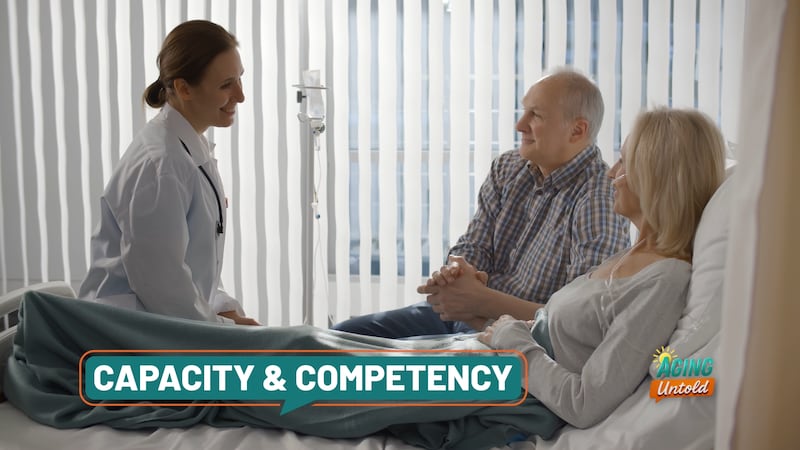
O’Rourke said she witnessed a doctor speaking to her instead of a 98-year-old client during a hospital visit and the client redirected the doctor, saying, “I’m over here.”
“When you’re with them, talk to them,” Cradduck said. “Not about them. Talk to them. Not around them.”
Cradduck said people should not automatically assume older adults have lost value or cognitive ability.
Age is just a number, Rogers added.
“If you don’t mind, it doesn’t matter,” Rogers said.
Copyright 2026 Gray Media Group, Inc. All Rights Reserved.