The billion-dollar problem in firehouses: Potentially toxic gear, tight budgets and a fight over who pays to replace it
Lawsuit seeks to make manufacturers cover cost of PFAS-free turnout equipment
(InvestigateTV) — When a vintage B-17 bomber went down during a living history flight at Bradley International Airport in 2019, the response put firefighter and Connecticut fire union representative Chris Albani right in the thick of it.
After racing to the scene, it was his job to coat the wreckage with a special foam used to quickly smother airplane fires.
That foam contains PFAS — man-made, toxic chemicals touted for their ability to resist heat and fire. They’re a lifesaver in aviation disasters, but also a health hazard, with studies linking PFAS to cancer.
Those chemicals that put him at risk aren’t limited to the foam Albani uses in a crisis. PFAS has also been found in the specialized equipment he and thousands of other first responders wear daily on the job.
“It’s in the gear,” Albani said. “It’s the PFAS that is intentionally put in the gear. And it’s poisoning members.”
And court documents show the manufacturers have known for decades that PFAS are toxic but kept that information hidden.
But recent academic research on PFAS that highlighted the link to cancer has raised alarms at firehouses.
Even so, InvestigateTV discovered firefighters across the country are still wearing potentially toxic turnout gear that contains the chemicals – with a battle brewing from coast to coast over the cost of replacement and who should pay it, leaving first responders in limbo.
The cost of protecting the protectors
Cancer fears have long haunted firefighters like Albani, and for good reasons. The disease is the leading cause of line-of-duty deaths for firefighters, according to the International Association of Fire Fighters.
Albani said that fear has stayed with him.
“It’s just that unknown,” he said. “I have 15 years on, and cancer isn’t an immediate thing. It’s a long-term thing. So, I might not know until I’m 60. The mindset people have now - it’s not about if I get cancer, it’s when.”
Those concerns about risks associated with turnout gear were amplified in 2020. That’s when a study from Notre Dame confirmed high levels of PFAS in both new and used turnout gear, with the potential for the cancer-linked chemicals to leach out and soak into first responders’ skin.
But six years later, InvestigateTV found hundreds of thousands of firefighters nationwide are still wearing gear that contains PFAS. Many want to get rid of it, but replacing it could cost billions — and leave taxpayers on the hook.
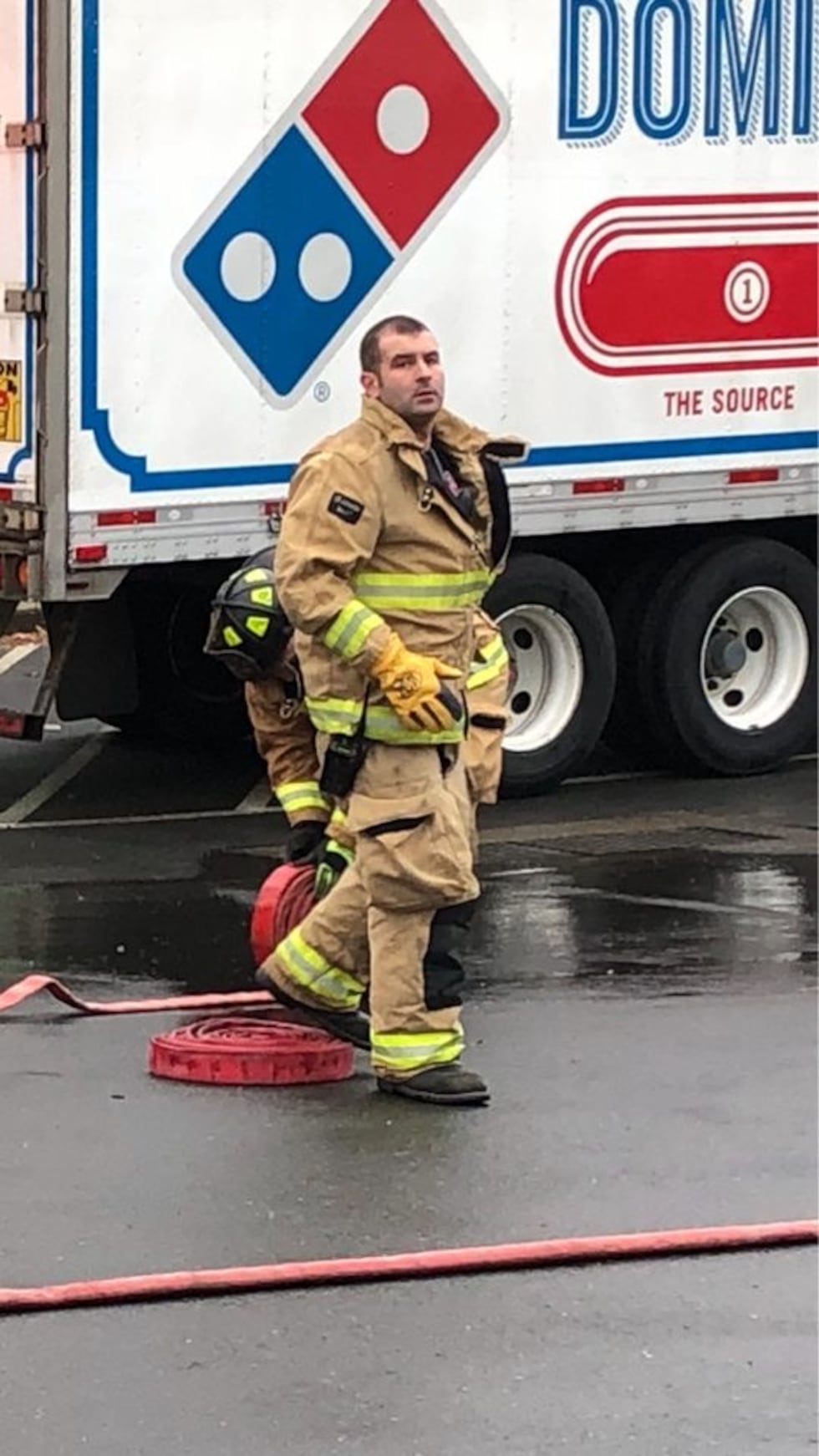
“Gear - a baseline pants and jacket is anywhere up to $3,000,” Albani said. “And then you start throwing in a helmet, gloves - looking at $5,000-8,000 per member. If you have a department of 200 people, do the math. It’s a big money ticket item for a municipality to cover.”
Massive lawsuit aims to make manufacturers pay
For many departments, it’s a cost they can’t bear.
InvestigateTV surveyed fire departments across the country - half of the chiefs that responded said they haven’t made the switch because their towns and cities can’t afford the cost. Many believe they shouldn’t have to. That’s where a massive class action lawsuit comes in.
“The defendants understood the dangers of PFAS,” said Jennifer Sclar, an attorney representing a growing number of fire unions and municipalities on the East Coast. “This is not like it came out of the sky in 2018. The defendants have long understood what the dangers of PFAS were and are.”
Sclar is suing more than a dozen companies that manufacture turnout gear or the materials and chemicals used to make it. Every company listed in the filing was contacted for comment by InvestigateTV on numerous occasions. Most — including big names like 3M and DuPont — wouldn’t comment.
In legal filings, 3M has argued that it didn’t manufacture any of the gear worn by the firefighters and there’s no proof of a direct link between the company and protective fire gear - also saying firefighters haven’t made allegations of any physical injuries. DuPont previously told another media outlet the complaints were without merit.
Still, the lawsuit against those companies and others claims they knew about health risks with PFAS chemicals and the gear that contains it but kept saying it was safe.
“That never should have happened,” Sclar said. “And it can’t continue to happen. You have to protect the protectors.”
The goal of the recent legal actions isn’t just to get firefighters out of their toxic threads – they seek to make the manufacturers to foot the bill for replacement gear.
Five class action lawsuits filed by cities and towns now have been consolidated into a single case in Minnesota.
“When this first came to light and firehouses started asking some of the defendants, ‘Hey - I’m hearing PFAS may have had some bad health effects, you know what’s the deal?’” Sclar said. “The defendants told these firemen, ‘Don’t worry about it. There’s nothing to worry about. Nothing to see here’. And they knew that wasn’t true.”
Lawsuit claims secrets about PFAS kept for decades
Dozens of documents made public by the Environmental Working Group, cited in the class action suit and analyzed by InvestigateTV, show 3M and DuPont specifically were long aware of the risks associated with PFAS.
Those records show the companies were internally labeling PFAS as “toxic” as far back as the 1960s and 70s.
By the 1980s, documents InvestigateTV examined show both companies started moving women of child-bearing age off certain assignments to limit PFAS exposure. And in the 1990s, their own records show scientists and studies were finding links between PFAS and cancer.
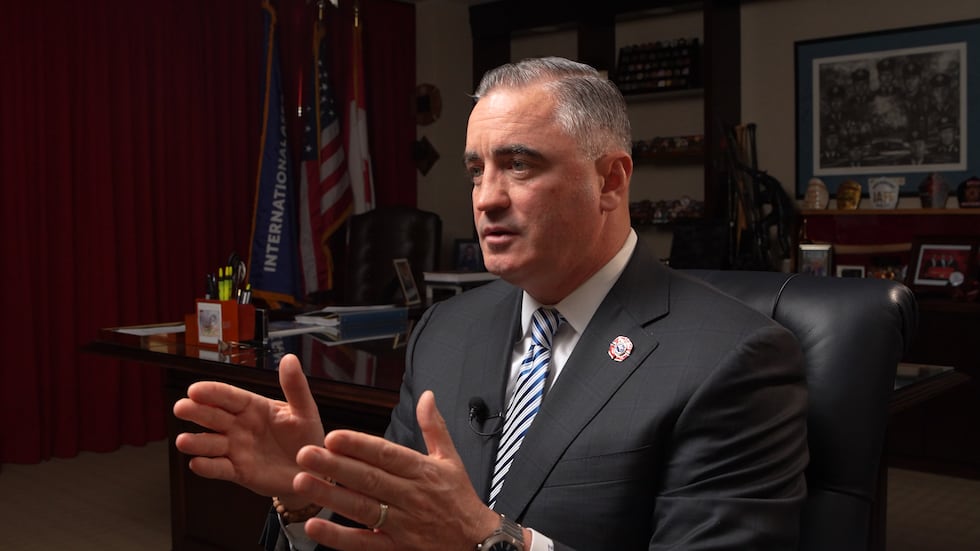
“We want to make sure that these manufacturers who knew full well that this dangerous chemical was harmful to human beings but yet infused that into our gear for decades - that they’re paying for this gear that we need to replace,” said Ed Kelly, who runs the nation’s largest fire union — the International Association of Fire Fighters.
But replacement is complicated. Getting firefighters from coast to coast into PFAS-free gear means giving millions more to the same companies many believe burned them already.
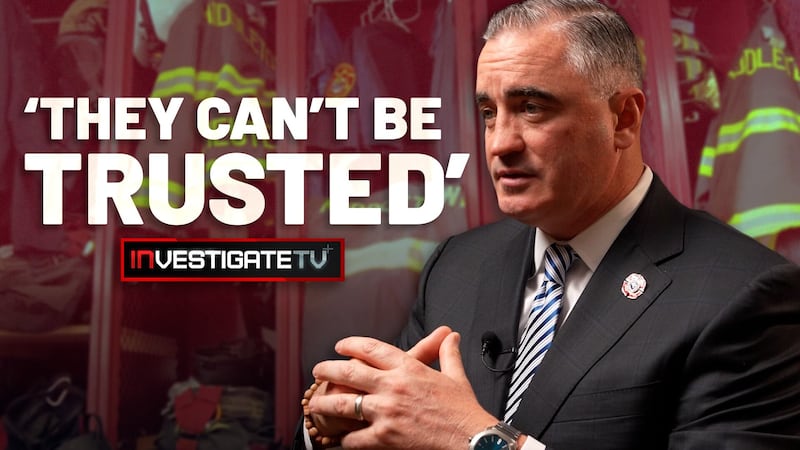
“They can’t be trusted,” Kelly said. “We have to take that gear and get it independently tested to ensure not only that there’s no PFAS but there’s no other negative health impacts infused into this gear.”
Kelly’s skepticism is grounded in reality.
In 2025, the fire department in Quincy, Massachusetts paid millions for new, supposedly PFAS-free gear — only to have independent tests that same year reveal high levels of the chemicals.
“Outrageous,” Mayor Thomas Koch said at a press conference where the discovery was revealed.
The company involved in manufacturing the gear said in a public statement it eliminated PFAS from all of its textiles the same year Quincy bought its gear and recently told InvestigateTV the chemicals were not intentionally added during manufacturing — with testing turning up very low levels.
But the case still captured national headlines and left fire chiefs even more confused and worried.
In InvestigateTV’s national survey, some leaders said there are too many unknowns with the PFAS alternatives, and not enough proof their crews will be protected if they change gear.
“We know we were lied to,” Albani said. “So, we don’t have a level of trust with those companies. We were deceived. We’ve had members pay the ultimate sacrifice because of it. It’s a problem.”
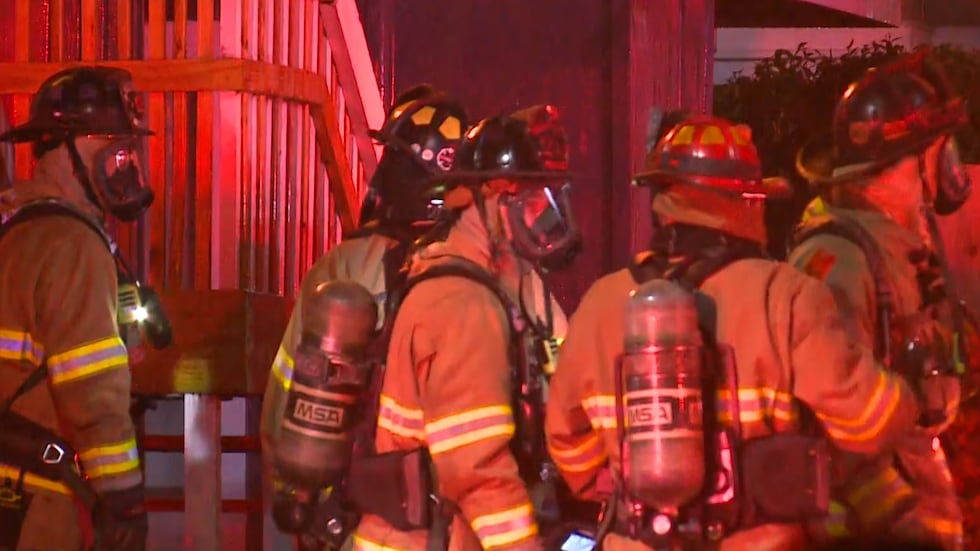
The potential health threat of PFAS is something firefighters like Chris Albani have to face every time they put on their turnout gear.
Walking through the firehouse and looking at the gear, Albani said he tries not even to touch the jackets and pants he knows contain the chemicals until it’s absolutely necessary. It’s a drastic change after decades of donning the suit for every call.
But firefighters are being forced to break old routines because of new science - waiting for safe gear that lets them save lives — without potentially putting their own at risk.
Copyright 2026 Gray Media Group, Inc. All Rights Reserved.