Number of kids having seizures after swallowing drugs has doubled since 2009
CHARLOTTESVILLE, Va. (WVIR) - According to a new study, the number of kids aged 6-12 and 13-19 who suffer from seizures after swallowing prescription medication or illegal drugs doubled from 2009-2023.
If you want to know why, start by looking in your medicine cabinet.
“We had been seeing seizures in children in our own practice,” said Doctor Chris Holstege, the Director of the Blue Ridge Poison Center at UVA and co-author of the study. “We were a bit stunned. It’s a pretty dramatic increase to see a doubling in some of these age groups over that time period.”
For most toddlers, the consumption is accidental. But when it comes to teenagers, it’s often intentional.
“If you think about toddlers, they can accidentally get into it and result in a seizure,” Dr. Holstege said. “If you think about our teenage population, and with a growing mental health crisis, and suicide attempts which we’ve reported on in the past, they have very easy access to it.”
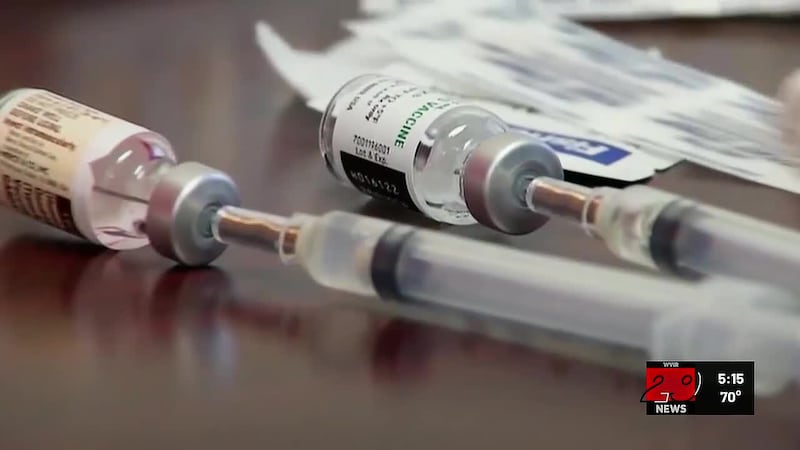
Marijuana-related edibles, opioids, and anti-depressants were all cited as causal agents in the study. Almost any drug you find in your bathroom cabinet can pose a risk when ingested by a child.
“A fairly significant percentage actually had status, or seizures that continued on for greater than five minutes,” Dr. Holstege said. “You can actually develop brain damage from that.”
Some in-pharmacy decisions can save money, but others can save lives.
“If I get a large bottle that has, you know, 200 pills, you may get a cost savings from that, but there may be, just because of the quantity, a risk if a kid gets into that bottle or is suicidal and has access to that many pills,” Dr. Holstege said.
Dr. Holstege says protecting your child begins with prevention. Try using blister packaging instead of big bottles, and make sure your medication is well out of reach.
“Sometimes we forget that the over-the-counters doesn’t necessarily mean that an over-the-counter medication is safer, and still can be a problem in large quantities and an overdose attempt,” Dr. Holstege said.
Do you have a story idea? Send us your news tip here.
Copyright 2024 WVIR. All rights reserved.