“It’s the right thing to do”- UVA Health provides free language interpretation for patients
CHARLOTTESVILLE, Va. (WVIR) - Going to the doctor can be hard enough, and not being able to speak the language can make things go from bad to worse.
Each day, hundreds of non-English-speaking patients walk through the doors of University of Virginia Health. Interpreters—whether online or in person—are ready to help when they do.
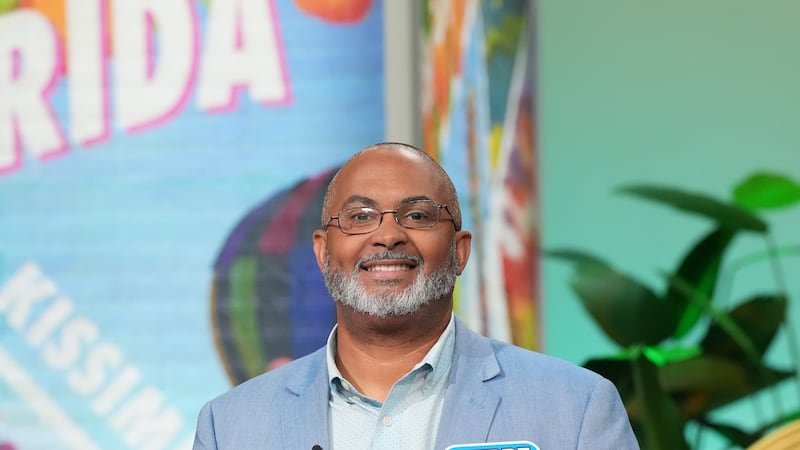
“Charlottesville has become a very diverse community,” Hospital and Support Services at UVA Health Administrator Bush Bell said. “And we’re providing interpretive services to hundreds of patients today that need interpretation services. The key thing here is that we want to make sure that we’re providing that language to the patients in which they speak.”
Bell says good medicine requires good communications, Spanish in particular. UVA has hired nine full-time Spanish interpreters to meet that demand.
“They see them on an ongoing basis, many times for years and years, and they develop a personal relationship with the patient in addition to the relationship that they have in providing interpretive services,” Bell said. “They’re guiding them through not only the medical care, but they’re also helping our care team understand the cultural differences that may be present.”
UVA’s language program goes beyond Spanish. Through the app Globo, Bell says UVA can interpret more than two hundred languages.
“The other thing that’s really exciting is because of the high number of refugees that are coming into Charlottesville,” Bell said. “Through the IRC, we have a very diverse community growing from folks from the Middle East, whether it be from Afghanistan, from Pakistan, from India, or from other parts of the world.”
Federal law requires hospitals to provide free interpreters for patients.
But Bell says that’s not why they do it.
“We provide it because it’s the right thing to do,” Bell said. “Because we know that patients get better faster, if they’re able to communicate with their care team, engage in the care, make decisions, just like you or I would when we come to the hospital or to the doctor’s office.”
Do you have a story idea? Send us your news tip here.
Copyright 2024 WVIR. All rights reserved.